AI fake images of satanic teddy bears from Build-A-Bear trick some TikTok users

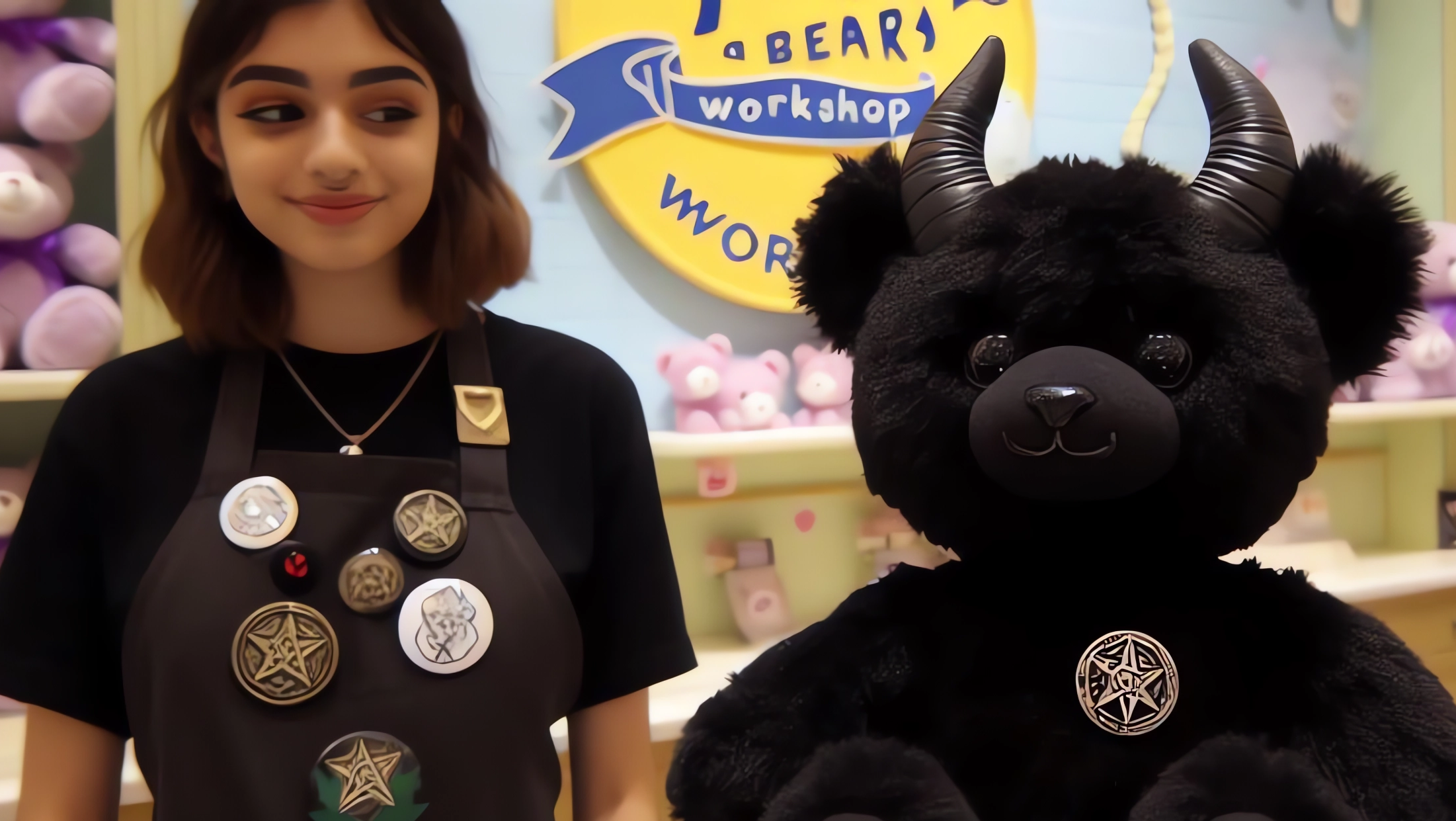
A satirical Facebook post featuring images of supposedly satanic Build-A-Bear teddy bears goes viral on TikTok without any indication that it is satire. Some users mistake the AI-generated images for the real thing.
US toy company Build-A-Bear, which allows customers to customize their stuffed animals, is facing a flood of false reports on social media. AI-generated images suggesting that Build-A-Bear is offering a new line of "Satan Bears" have been circulating on TikTok since early April.
The images depict stuffed animals with the face of Baphomet, a deity worshiped by the Knights Templar in the Middle Ages and later used by occult groups such as the Church of Satan.
The origin of the false report is a satirical Facebook post made in late March by "The Pumpkin Empress," a page that specializes in horror and scary content and has about 123,000 followers.

Even the absurd is believed to be true if it looks realistic
While the Facebook page shared the AI-generated images with a hashtag indicating they were satire, that reference was lost when the images appeared on TikTok ten days later. Some TikTok users thought the satanic bears were real and made videos criticizing Build-A-Bear.
The incident highlights the risks of AI imagery, especially on social media. If even blatant satire can be deceptive, it raises concerns about the media literacy needed to recognize realistic fakes created with the intention to deceive. When absurd parodies are believed to be true, ambitious fakes can easily spread.
However, many people on TikTok, especially in the comments, point out that the images are AI fakes, sometimes with detailed analysis of the image flaws. This shows that not all users are easily fooled by AI. At least not yet, as the obvious flaws become less obvious by the week.
The Satan hoax is nothing new. NewsGuard has documented similar claims about a satanic McDonald's Happy Meal box, satanic statues at Hobby Lobby, and satanic children's clothing at Target - all allegedly AI-generated images.
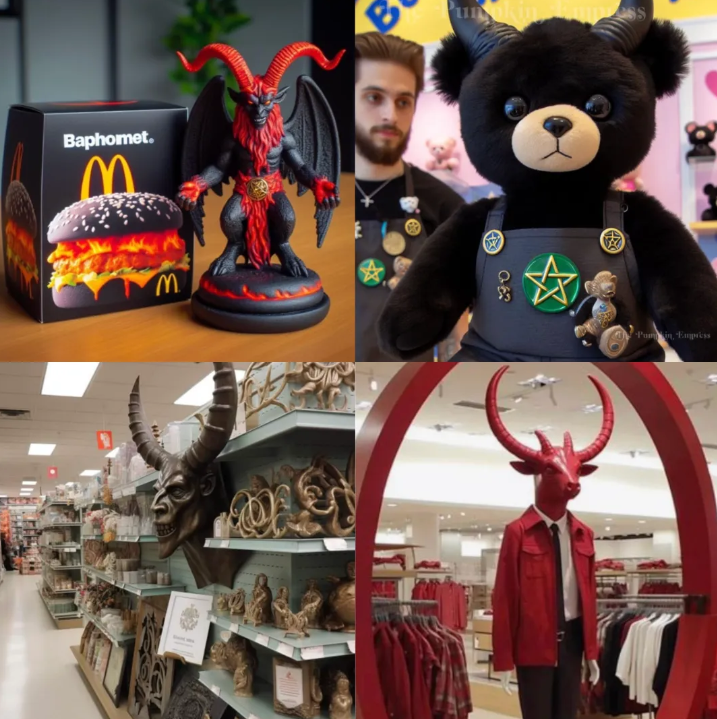
As capable AI image generators like DALL-E, Midjourney, and Stable Diffusion become more accessible, it becomes easier to create deceptively real images and misuse them for disinformation campaigns, including those with political motives.
This makes it difficult for inexperienced users to distinguish between reality and fiction, with potentially dangerous consequences for businesses and public discourse.
In the absence of effective automated detection methods, social networks must rely on their users to expose fakes to combat the spread of disinformation.
AI News Without the Hype – Curated by Humans
As a THE DECODER subscriber, you get ad-free reading, our weekly AI newsletter, the exclusive "AI Radar" Frontier Report 6× per year, access to comments, and our complete archive.
Subscribe nowAI news without the hype
Curated by humans.
- More than 16% discount.
- Read without distractions – no Google ads.
- Access to comments and community discussions.
- Weekly AI newsletter.
- 6 times a year: “AI Radar” – deep dives on key AI topics.
- Up to 25 % off on KI Pro online events.
- Access to our full ten-year archive.
- Get the latest AI news from The Decoder.