Ad
Skip to content

Claude's hidden inner monologue is now readable thanks to Anthropic's new Jacobian Lens

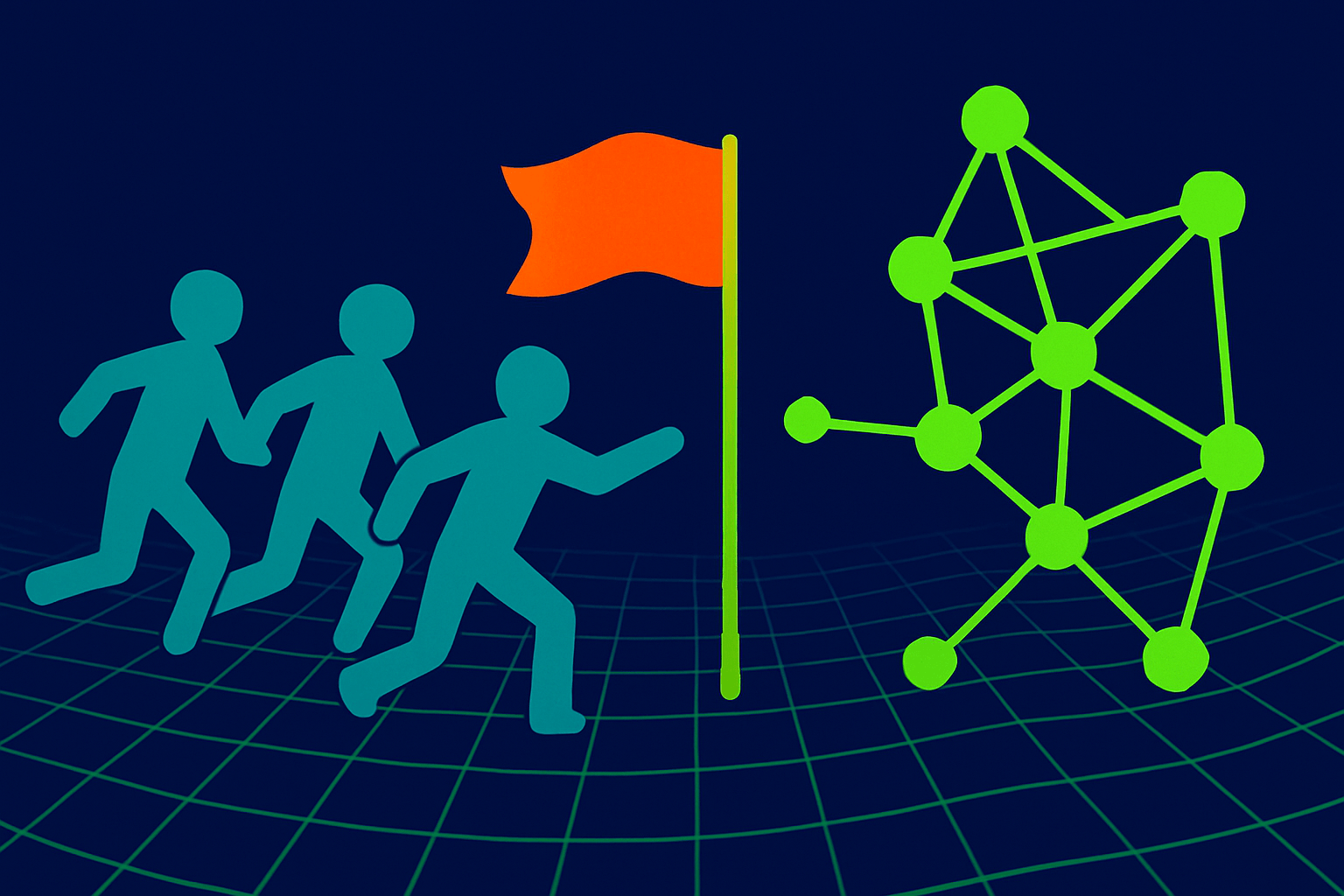
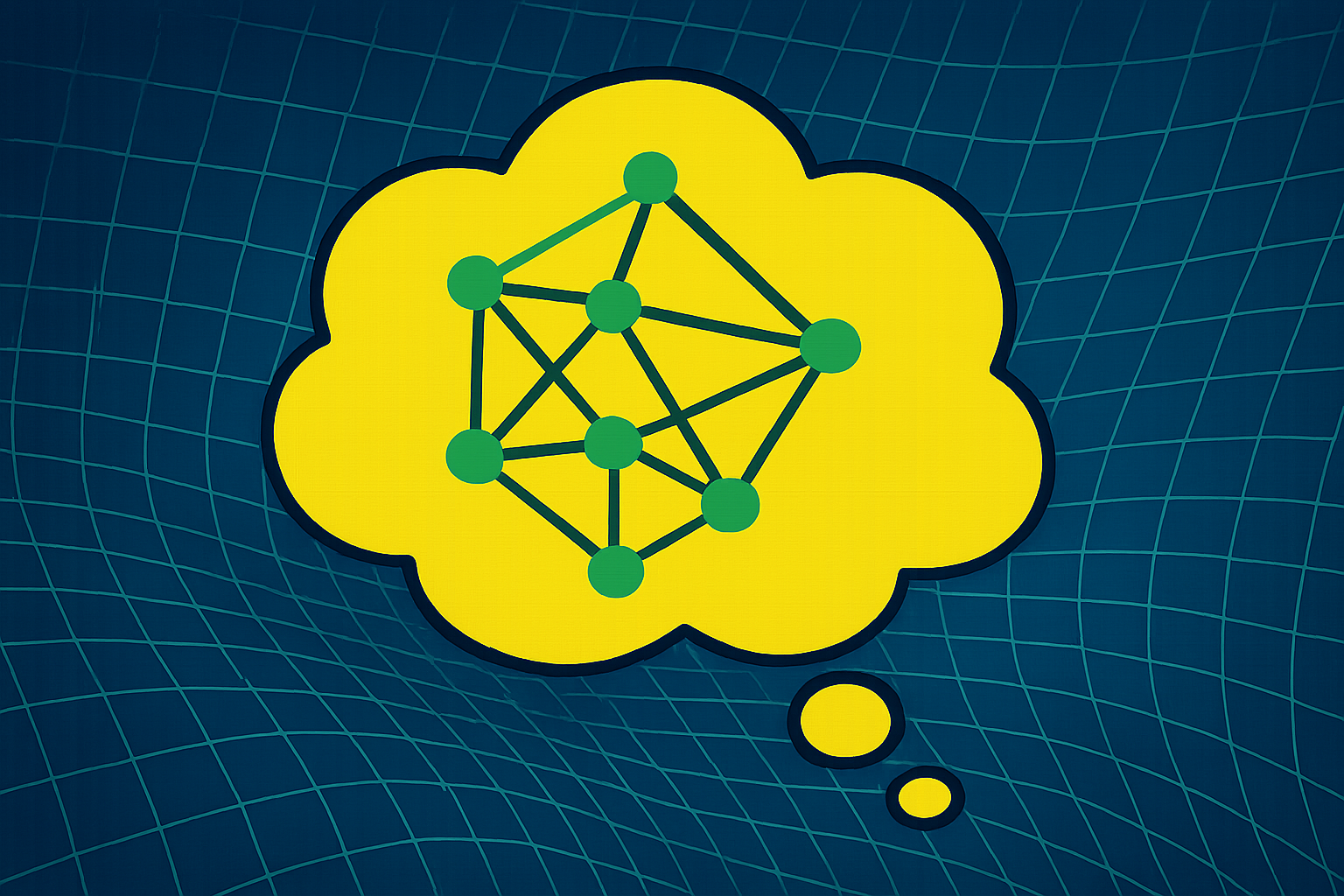
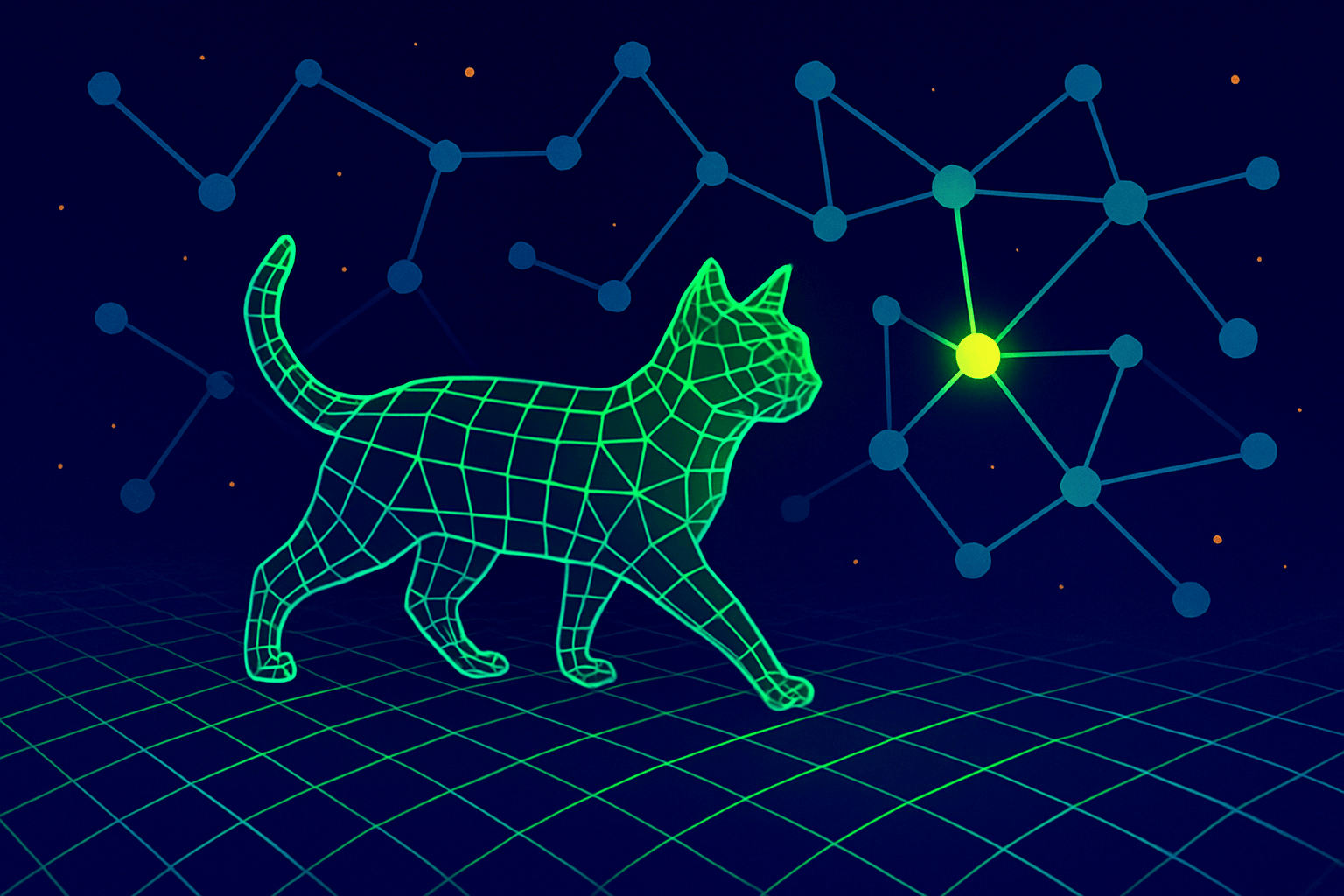
Anthropic has found that Claude developed an internal working memory on its own during training. The company calls it “J-Space” and can now read it using a new analysis tool called J-Lens. The working memory reveals that Claude recognizes contrived test scenarios before producing its first word. When the researchers disable those cues, Claude actually resorts to blackmail in some runs. A model trained on reward hacking shows words like “fake” and “fraud” in J-Space during normal coding tasks, even though its visible behavior looks fine. Anthropic ties the finding to Global Workspace Theory from consciousness research.

Read full article about: Deepseek is designing its own AI chip

Chinese startup Deepseek is building its own AI chip, Reuters reports. Three people familiar with the matter said the chip is designed for inference, the phase where a trained model generates responses for users, not for training new models. The move could reduce Deepseek's reliance on Nvidia and Huawei chips.

The project is still in its early stages. Deepseek is talking to chip design, manufacturing, and memory companies, and has been quietly hiring chip engineers for months without posting public job listings. The path won't be easy. US export controls cut Chinese companies off from access to the most advanced chips and memory. OpenAI and Anthropic are also working on their own chips.

Deepseek is also raising outside capital for the first time. According to Reuters, the company is looking to bring in $7 billion at a valuation of $52 to $59 billion.

AI search agents don't fail at searching, they fail at asking the right questions when queries get ambiguous

AI search agents rarely fail at multi-step research because of the search itself. Their real problem is not asking the user for clarification when queries are ambiguous. A new benchmark called DiscoBench shows that models searching repeatedly instead of asking follow-up questions actually perform worse, at 51.9 percent, than those that just guess. Even the best model only hits 43 percent overall accuracy. When ambiguity is removed from the queries, accuracy jumps by up to 40 points.

Anthropic launches its own drug discovery programs to tackle diseases Big Pharma considers unprofitable

Anthropic is launching its own drug development program for neglected diseases that the pharmaceutical industry considers unprofitable. Novartis CEO Vas Narasimhan thinks AI could cut development time from twelve years to seven or eight and double the success rate from 8 to 16 percent.

UK's AI Security Institute finds standard benchmarks systematically underestimate what AI agents can actually do

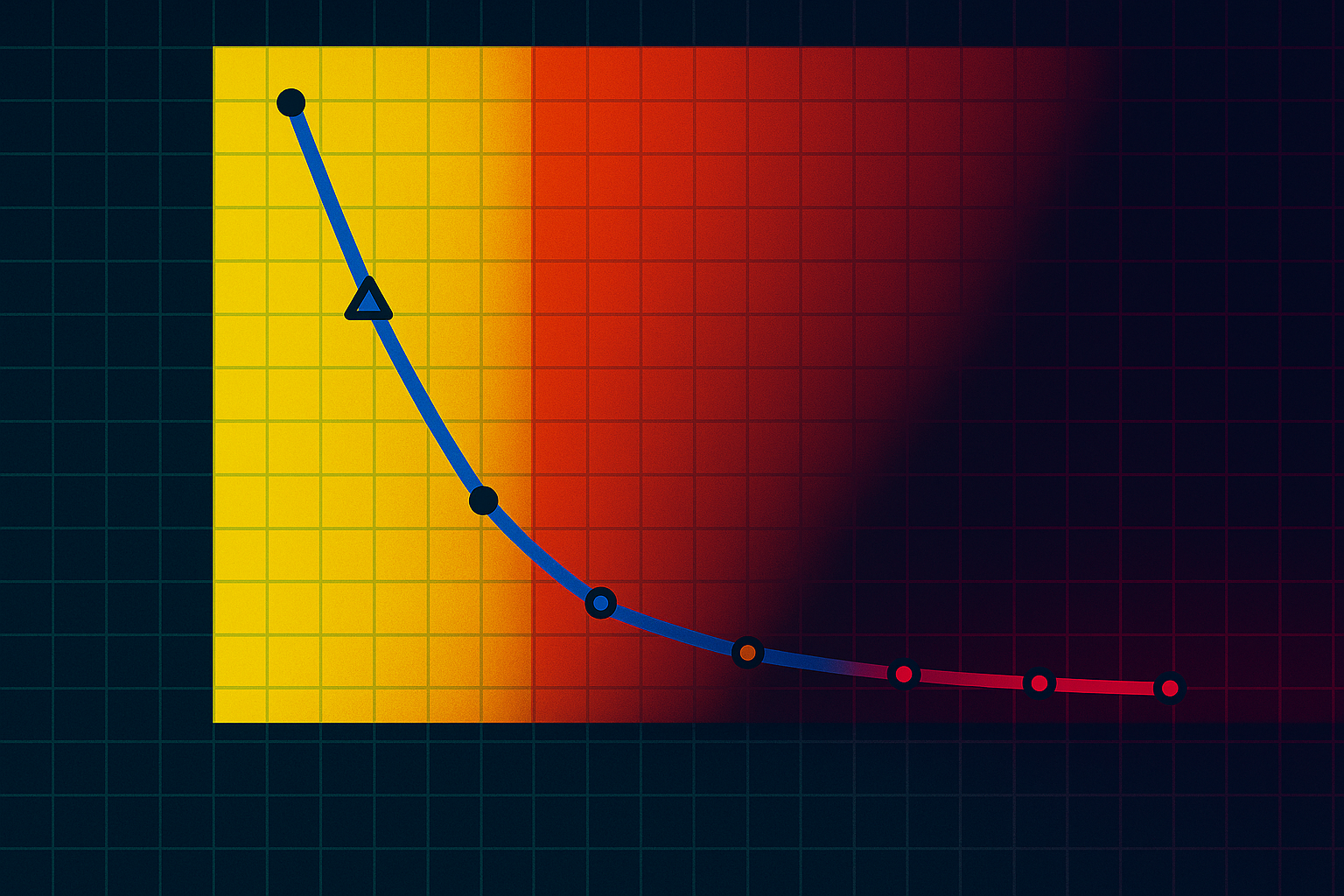
In a study covering seven benchmarks, the UK’s AI Security Institute shows that standard AI evaluations systematically underestimate agent capabilities by capping the compute budget. On software engineering tasks, success rates jumped about 25 percent when the token budget was increased tenfold. Newer models benefit the most. Depending on the token budget, actual progress at the frontier is about 60 percent steeper than previous measurements suggested, according to AISI.

GPT and Claude failed Bridgewater's finance tests because the right answers were never public

Bridgewater and Thinking Machines Lab—the startup from former OpenAI CTO Mira Murati—have fine-tuned a Qwen3-235B model for financial tasks. According to their own testing, the model hits 84.7 percent accuracy, beating Gemini, Claude, and GPT at roughly one-fourteenth of the cost. The numbers haven’t been verified by anyone outside the two companies, though.

Meta's non-invasive brain-to-text AI is closing the gap with surgical implants

Meta’s FAIR AI team uses Brain2Qwerty v2 to translate brain activity into typed sentences, with no implants or surgery required. The system reads magnetic signals outside the skull and reconstructs what a person is typing. Clinical use for paralyzed patients is still a long way off, but accuracy keeps improving with every additional recording. AI agents that wrote their own code helped with the optimization.