
Matthias Bastian
Matthias is the co-founder and publisher of THE DECODER, exploring how AI is fundamentally changing the relationship between humans and computers.

Read full article about: Colorado lawyer suspended after using ChatGPT to file motion
Colorado lawyer Zachariah C. Crabill has been suspended for 90 days after filing a motion that contained incorrect or fictitious cases generated by ChatGPT. Crabill did not verify the accuracy of the citations. When the judge expressed concern, Crabill falsely blamed a legal intern. He later submitted an affidavit admitting his use of ChatGPT. The suspension, effective November 22, 2023, is part of a one-year and one-day suspension, with the remainder stayed upon Crabill's successful completion of a two-year probationary period. Crabill violated several rules of professional conduct, including competence, diligence, honesty, and misrepresentation.
Read full article about: OpenAI and Microsoft slapped with another AI lawsuit for 'stealing' authors' works
OpenAI and Microsoft are facing another AI copyright infringement lawsuit filed by author and Hollywood reporter Julian Sancton (Madhouse at the End of the Earth). The lawsuit alleges that OpenAI used thousands of non-fiction books to train its large language model (LLM), ChatGPT, in violation of the authors' intellectual property rights. Sancton argues that both companies have reaped significant profits from the widespread adoption of ChatGPT without compensating the authors whose works were used to train the AI. This lawsuit joins several others that are very similar, but Big AI's stance is clear: using copyrighted data to train generative AI systems is fair use.


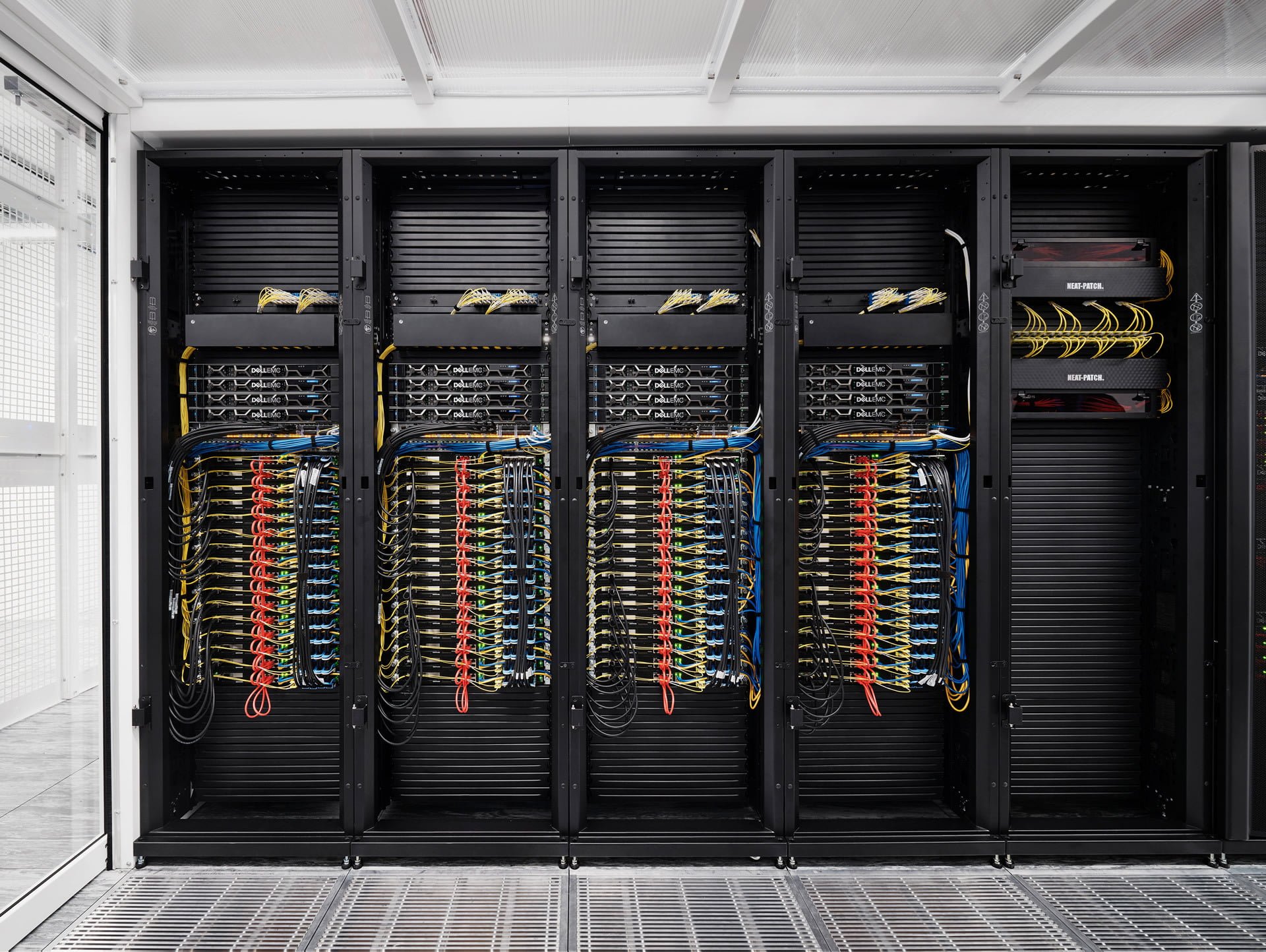



Read full article about: Nvidia's record-breaking Q3 revenue fueled by generative AI hardware sales surge
Nvidia reported record Q3 revenues of $18.12 billion, attributing the growth primarily to sales of generative AI hardware. The company's market capitalization now stands at $1.22 trillion. Nvidia CEO Jensen Huang emphasized that AI startups, consumer Internet companies, and cloud service providers were the primary drivers of this growth. The company's data center division, which focuses on compute and networking, was the main contributor to Nvidia's significant growth, with Q3 revenue reaching $14.51 billion, a 3.78x increase year-over-year.