European lawmakers are struggling to agree on new rules for artificial intelligence, with an agreement unlikely before December. The draft AI rules, which include regulations for foundation models and high-risk AI systems, must be approved by the European Parliament and EU member states. Spain, which holds the EU presidency, has proposed compromises to accelerate the process, such as a tiered approach to regulating foundation models with more than 45 million users. But opponents warn that smaller platforms could be just as risky. However, a final agreement is not expected in the upcoming fourth trilogue. A fifth trilogue is scheduled for early December, and failure to reach an agreement could push negotiations into next year, according to Reuters.
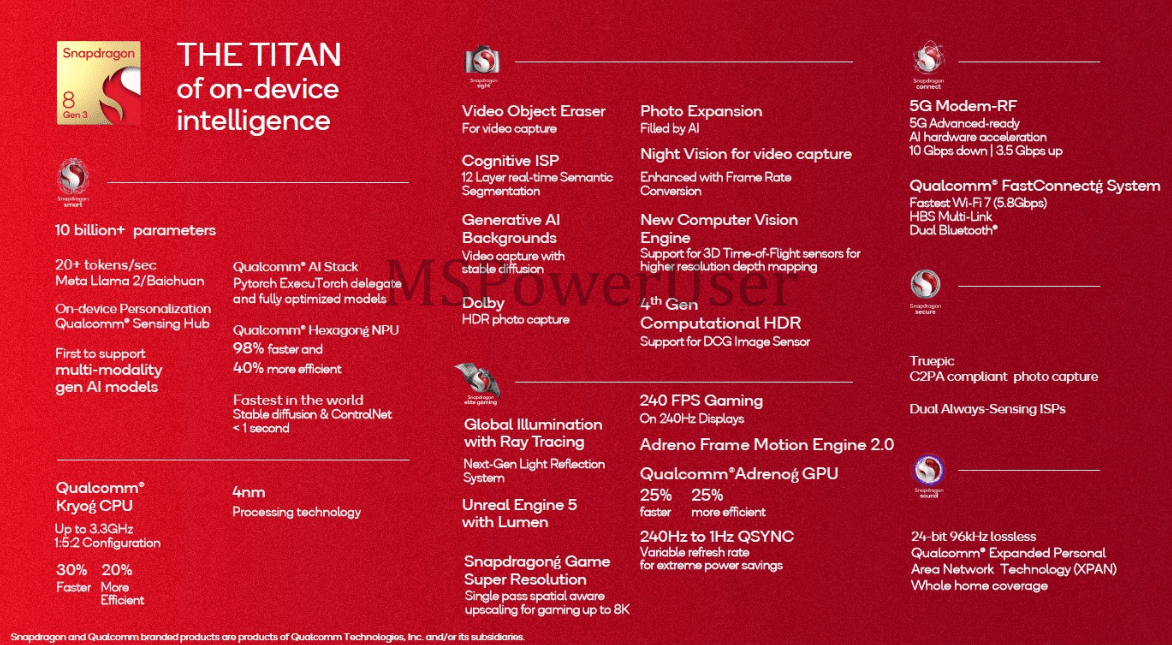
Qualcomm is set to release its latest flagship mobile platform, the Snapdragon 8 Gen 3, designed specifically for generative AI, according to a leaked internal document obtained by mspoweruser.com. The new chip can run AI models with more than 10 billion parameters, according to the document. Meta's Llama 2 is specifically mentioned, running at 20+ tokens/sec. Qualcomm is using Stable Diffusion, which it has previously demonstrated, for generative AI backgrounds. The Snapdragon 8 Gen 3 might power Samsung's Galaxy S24, due out in February 2024, according to mspoweruser.
Japan is drafting AI guidelines to reduce overreliance and address biased data. The government panel is expected to finalize the guidelines by the end of the year, outlining 10 ground rules for AI companies to ensure fairness, transparency, and protection of human rights. AI developers, service providers, and users will share responsibility, with developers ensuring data accuracy and preventing unauthorized access, while providers will warn users about personal information and guarantee limited use of services.
Publishers and newspapers, including the New York Times, Reuters, and The Washington Post, are demanding compensation from generative AI websites like OpenAI's ChatGPT, which have been using their content to train AI models, the Washington Post reports. These organizations, at least 550, have installed a blocker to prevent their content from being used and are now negotiating terms for payment and increased web traffic. OpenAI previously licensed content from the Associated Press for training data.
Other data sources, such as Reddit, are also seeking payment for their content and are considering blocking search crawlers from Google and Bing. The push for compensation comes as the generative AI market is expected to reach $1.3 trillion by 2032. At the same time, leading AI companies are facing copyright lawsuits from book authors, artists, and software coders.