Deepseek reportedly using thousands of smuggled Nvidia chips for AI training

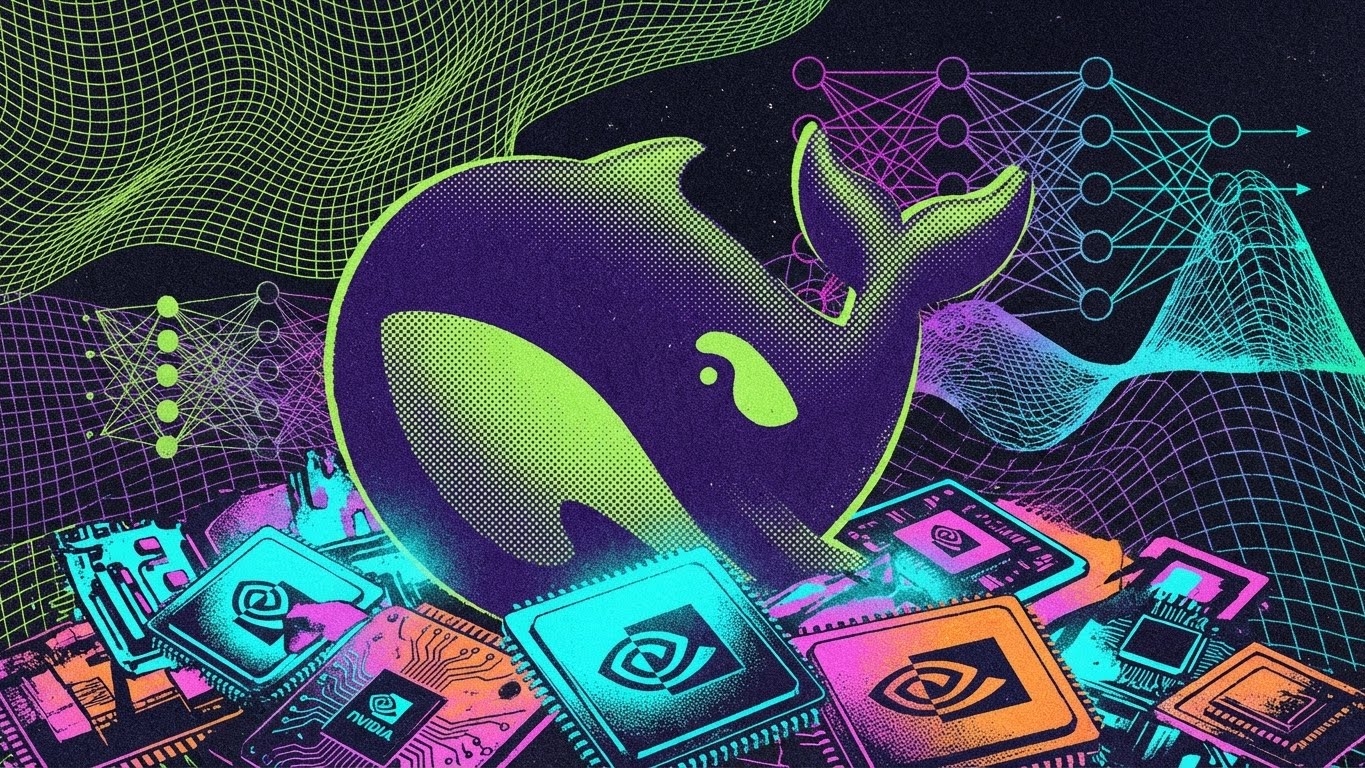
According to The Information, Deepseek is training its next major model with thousands of Nvidia chips, citing six people familiar with the matter.
The report centers on powerful Blackwell processors, which are currently banned from export to China under US regulations. According to the sources, the chips were first shipped legally to data centers in Southeast Asia, where Nvidia or its partners installed and tested them.
Dealers then allegedly dismantled the servers, moved the hardware through customs under false pretenses, and reassembled the systems at Chinese facilities. The operation reportedly relies on smaller eight-chip servers, which are easier to transport and maintain.
When asked by Bloomberg, Nvidia stated it had no evidence of the so-called phantom data centers described by The Information, but affirmed it follows up on any reports of possible smuggling. Meanwhile, Reuters reports that Nvidia is developing a feature to track the location of Blackwell chips and future models. If widely adopted, this technology could make operating smuggled hardware in China significantly harder.
AI chips as tools of geopolitical power
The situation is politically sensitive for two reasons. First, it suggests Deepseek is still dependent on high-end Nvidia hardware to compete, contrary to some portrayals.
While the company has experimented with Huawei chips and likely has a stockpile of older Nvidia A100 and Hopper units, the new Blackwell processors are reportedly essential for its upcoming model. These chips contain specialized hardware designed to accelerate sparse attention, a technique Deepseek uses to reduce running costs by activating only parts of the model at a time. Previous reports suggest Deepseek has struggled with the performance of Huawei chips.
Second, the case gives the Trump administration more leverage in its tech conflict with Beijing and undermines the narrative that China can quickly transition its AI industry to domestic silicon. Lawmakers in Washington have already labeled Deepseek a national security threat in a House China Committee report, accusing the company of violating export rules.
Deepseek repeatedly puts pressure on Western AI labs by publishing similarly capable models as open source, such as DeepseekMath V2. These, as well as other Chinese models or even US models facing scrutiny in Europe, face criticism because, beyond their technical capabilities, they convey political and cultural values shaped by state censorship.
AI News Without the Hype – Curated by Humans
As a THE DECODER subscriber, you get ad-free reading, our weekly AI newsletter, the exclusive "AI Radar" Frontier Report 6× per year, access to comments, and our complete archive.
Subscribe nowAI news without the hype
Curated by humans.
- Over 20 percent launch discount.
- Read without distractions – no Google ads.
- Access to comments and community discussions.
- Weekly AI newsletter.
- 6 times a year: “AI Radar” – deep dives on key AI topics.
- Up to 25 % off on KI Pro online events.
- Access to our full ten-year archive.
- Get the latest AI news from The Decoder.