Figure AI shows robot that really puts its hip into dishwasher duty

Key Points
- With Helix 02, Figure AI has unveiled a system that controls a humanoid robot through a single neural network - replacing the traditional approach of splitting locomotion and manipulation into separate controllers.
- In a four-minute demo, the robot unloads and reloads a dishwasher with 61 consecutive actions, without human intervention. Figure AI calls this the longest autonomous task ever performed by a humanoid robot, though there's no data on error rates.
- The system uses a three-tier architecture: a 10-million-parameter neural network that, according to the company, replaces over 100,000 lines of hand-written code for balance and coordination.
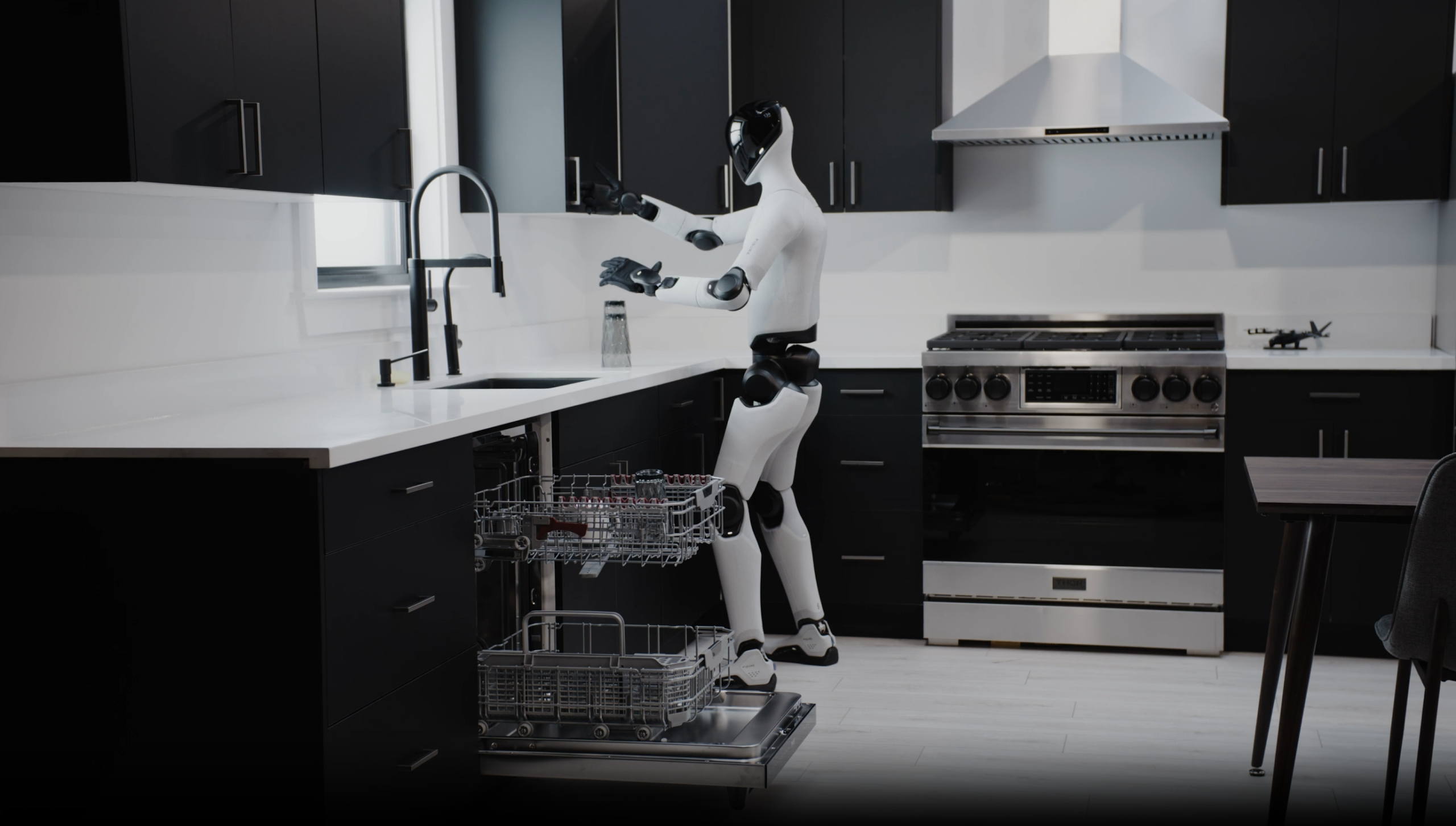
Figure AI's Helix 02 controls a humanoid robot through a single neural network. A four-minute kitchen demo shows what the system can do.
Combining locomotion and manipulation has been one of robotics' most stubborn challenges for decades. When a robot lifts something, its balance shifts. When it takes a step, its reach changes. Arms and legs constantly affect each other.
Traditional systems work around this by splitting locomotion and manipulation into separate controllers: walk, stop, stabilize, grasp, walk again. Previous humanoid demonstrations like jumping or dancing are also mostly planned offline - if an object shifts or contact happens differently than expected, the behavior falls apart, Figure AI writes.
One neural network for the entire body
Helix 02 tackles this problem by having a single learning system make decisions for the entire body at once. The system extends last year's Helix, which only controlled the upper body, to legs, torso, head, arms, and individual fingers.
For the demonstration, Figure AI shows a robot unloading and reloading a dishwasher - 61 consecutive actions over four minutes without human intervention. The robot closes a drawer with its hip and lifts the dishwasher door with its foot when its hands are full.
The company says this is the longest and most complex autonomous task performed by a humanoid robot to date. However, there's no data on error rates or how many attempts were needed for the footage. It's also unclear how the robot would handle a different kitchen layout, and the dishes are plastic. That said, if the actions really happened without human intervention as claimed, it's a notable improvement over earlier demos.
Three-tier architecture replaces hand-written code
The system uses a three-tier architecture. System 0, a 10-million-parameter neural network trained on over 1,000 hours of human movement data, runs at 1 kHz for fast corrections. Figure AI says it replaces 109,504 lines of hand-written C++ code for balance and coordination.
Training happened in simulation with more than 200,000 parallel environments - a standard approach for sim-to-real transfer. System 1 connects all sensors to all joints and runs at 200 Hz. System 2 handles language understanding and task planning.
New sensors enable finer manipulation
The hardware comes from the recently unveiled Figure 03. Palm cameras capture images when objects are blocked from the head camera's view. Tactile sensors in the fingertips detect forces as light as three grams.
Additional demos show the robot unscrewing a bottle cap, removing a single pill from a medication box, dispensing 5 ml from a syringe, and sorting metal parts from the company's own manufacturing facility.
Figure AI describes its results as "early" and wants to eventually put humanoid robots in homes and workplaces. The company introduced the original Helix system last year.
AI News Without the Hype – Curated by Humans
As a THE DECODER subscriber, you get ad-free reading, our weekly AI newsletter, the exclusive "AI Radar" Frontier Report 6× per year, access to comments, and our complete archive.
Subscribe now