


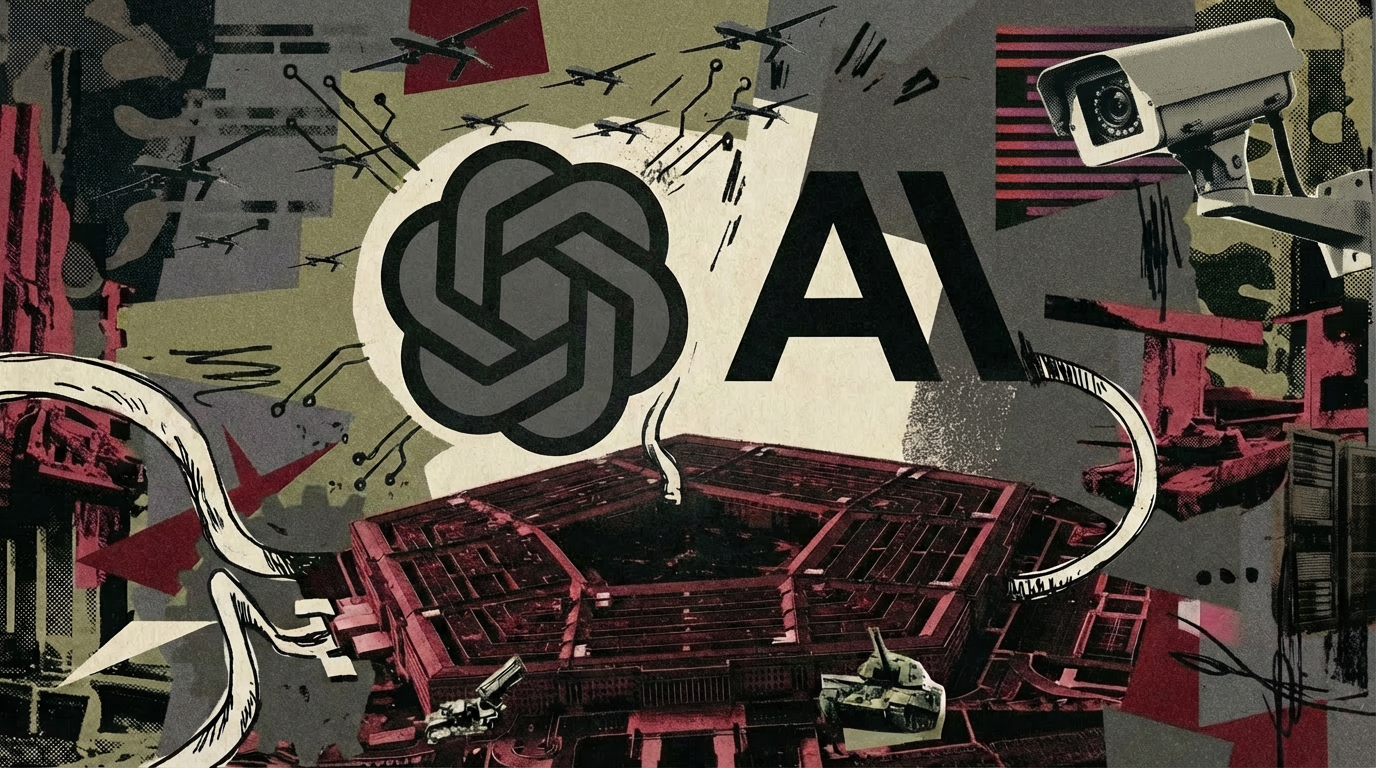
OpenAI calls Stuart Russell a "doomer" in court after its CEO co-signed his AI extinction warning
Fear generates attention, and OpenAI usually knows how to use that. But in court, the company is trying to discredit an AI expert as a doomsday prophet, even though CEO Sam Altman spent years spreading the same warnings when they still served his own agenda.
Read full article about: OpenAI promises Canada tighter safety protocols after ChatGPT flagged a shooter's violent chats but never called police
In a letter to AI Minister Evan Solomon, OpenAI has promised the Canadian government it will tighten its safety protocols. The move follows a fatal shooting at a school in Tumbler Ridge, British Columbia, that killed eight people. The suspect, Jesse Van Rootselaar, had previously interacted with ChatGPT. An internal algorithm flagged the interactions as possible warnings of real-world violence, and OpenAI employees reviewed them. The company blocked the account but ultimately decided not to contact police.
According to the Wall Street Journal, OpenAI now plans to adopt more flexible criteria for sharing account data with authorities, establish direct lines of communication with Canadian law enforcement, and improve its systems for detecting evasion tactics. OpenAI Vice President Ann O'Leary said the account would have been reported under the new rules. Canada's Justice Minister Sean Fraser warned that new AI regulations could follow if OpenAI doesn't act quickly.
Comment
Source: Wall Street Journal
OpenAI signs Pentagon deal for classified AI networks hours after Anthropic gets banned from federal agencies
OpenAI struck a deal with the Pentagon just hours after Anthropic was barred from government contracts. OpenAI claims to operate under the same safety principles as Anthropic, but the language both companies have used so far suggests differences.
Block cuts nearly half its workforce as Dorsey credits AI, but the real reasons predate the hype
Jack Dorsey blames AI for cutting nearly half of Block’s workforce. But a closer look at the company’s history of overhiring and structural problems tells a different story.
Read full article about: Google wants to provide free Gemini AI training to all 6 million U.S. educators
Google for Education and the educational organization ISTE+ASCD are launching a joint initiative to provide free AI training to all six million teachers in the US. Google says it's the largest program of its kind. The courses cover how to use Google's AI products Gemini and NotebookLM, with the goal of helping teachers and their more than 74 million students use AI safely in the classroom. The modules are designed to be short and practical, with concrete examples teachers can apply directly to their lessons. The initiative is set to launch in the coming months. Those interested can sign up via a Google form.
There's a clear strategic play behind the effort, of course. Getting your products embedded in the education system early means getting young people comfortable with your ecosystem while they're still in school and keeping them there well into their professional lives. Competitors like OpenAI and Anthropic are running similar playbooks, though they tend to focus on university partnerships and enticing offers for students, such as free or discounted access to their AI models.
OpenAI staff debated alerting Canadian police about violent ChatGPT logs months before a deadly school shooting
Jesse Van Rootselaar left digital warning signs across multiple platforms before her shooting rampage in Tumbler Ridge, including in ChatGPT conversations. About a dozen OpenAI employees debated internally whether to alert Canadian police. Management decided against it. The case exposes a dilemma facing the entire online industry and AI chatbot companies in particular.