Matthias Bastian View the LinkedIn Profile of Matthias Bastian May 22, 2025 Update AI in practice Copy the url to clipboard Share this article Go to comment section OpenAI and Jony Ive are building a new AI device that is not a smartphone or smart glasses
Matthias Bastian View the LinkedIn Profile of Matthias Bastian May 21, 2025 Update AI in practice Copy the url to clipboard Share this article Go to comment section xAI reverses Grok's prompt changes after racist responses
Matthias Bastian View the LinkedIn Profile of Matthias Bastian May 21, 2025 AI in practice Copy the url to clipboard Share this article Go to comment section Mistral launches Devstral Small 24B, a new open-source LLM for coding
Maximilian Schreiner View the LinkedIn Profile of Maximilian Schreiner May 21, 2025 AI in practice Copy the url to clipboard Share this article Go to comment section OpenAI's Stargate secured $11.6 billion for a massive data center
Matthias Bastian View the LinkedIn Profile of Matthias Bastian May 21, 2025 AI in practice Copy the url to clipboard Share this article Go to comment section Gemini Diffusion could be Google's most important I/O news that slipped under the radar
Maximilian Schreiner View the LinkedIn Profile of Maximilian Schreiner May 20, 2025 AI in practice Copy the url to clipboard Share this article Go to comment section Google shows AI filmmaking tool, XR glasses and launches $250 Gemini subscription
Matthias Bastian View the LinkedIn Profile of Matthias Bastian May 20, 2025 AI in practice Copy the url to clipboard Share this article Go to comment section Google pushes AI-powered search with agents, multimodality, and virtual shopping
Matthias Bastian View the LinkedIn Profile of Matthias Bastian May 20, 2025 AI in practice Copy the url to clipboard Share this article Go to comment section Google upgrades Gemini 2.5 Pro with a new Deep Think mode for advanced reasoning abilities
Matthias Bastian View the LinkedIn Profile of Matthias Bastian May 20, 2025 AI in practice Copy the url to clipboard Share this article Go to comment section Google launches coding agent "Jules"
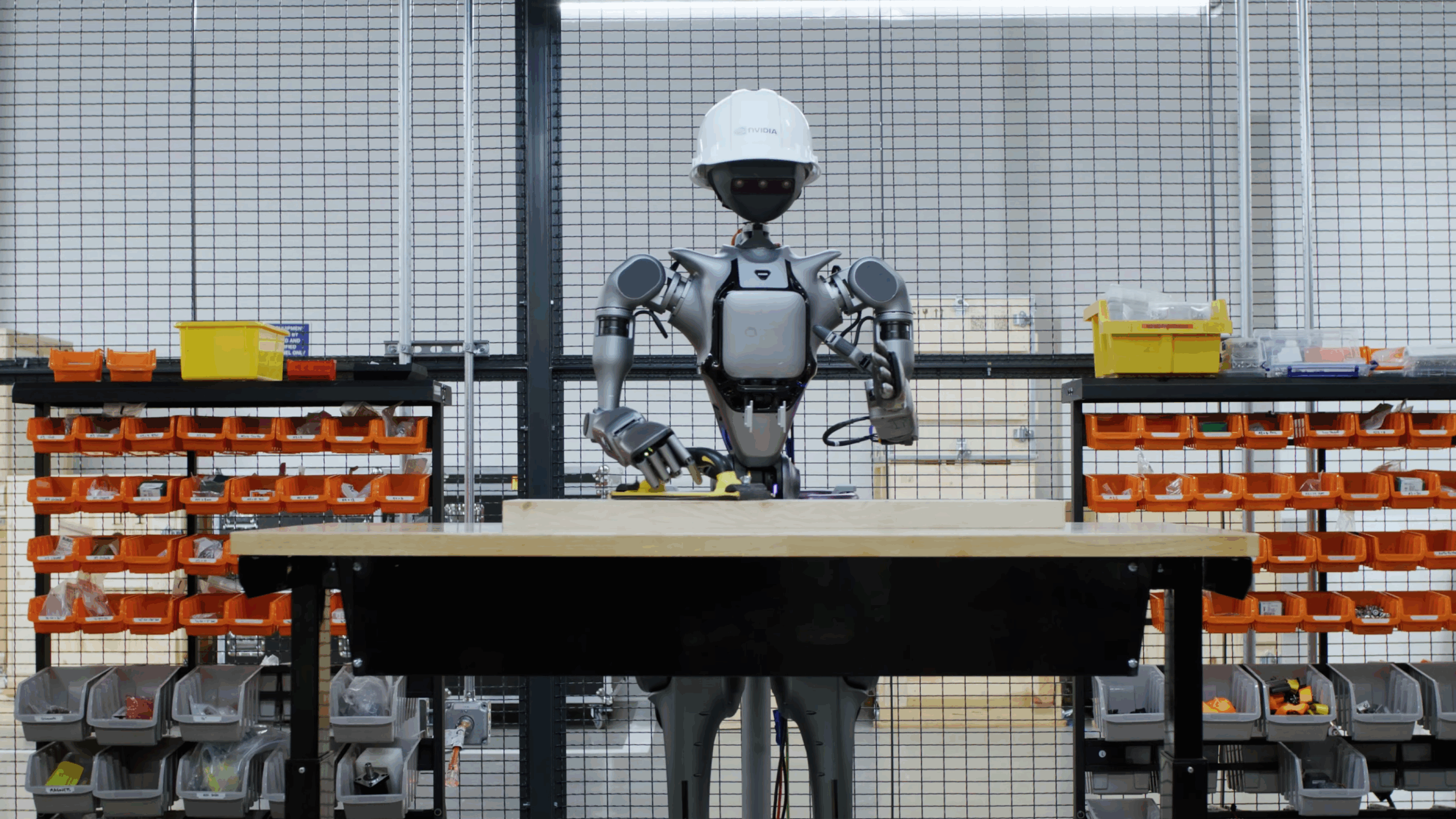
Maximilian Schreiner View the LinkedIn Profile of Maximilian Schreiner May 20, 2025 AI in practice Copy the url to clipboard Share this article Go to comment section Captive to industry, robots now dream of work, with no electric sheep in sight