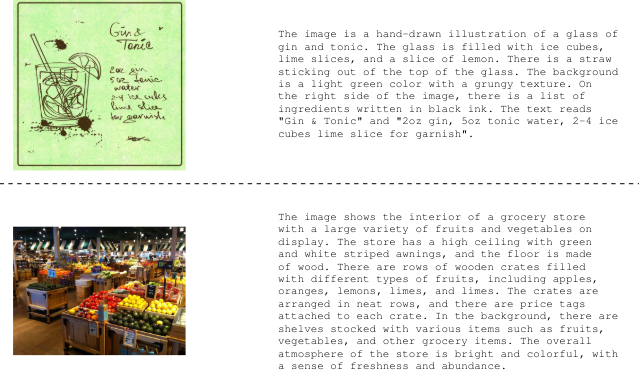
Microsoft has released a set of vision models called Florence 2. Florence 2 is a prompt-based vision model designed for computer vision and image processing tasks such as image description, object recognition, localization, and segmentation. According to Microsoft, Florence 2 can outperform other specialized and larger vision models in some tasks. To train Florence, Microsoft created the FLD-5B dataset, which contains 5.4 billion annotations for 126 million images. The models come in two sizes, with 0.23B and 0.77B parameters, and are available on Hugging Face for commercial use under the MIT license.
McDonald's is ending its AI experiment for drive-through orders after a two-year trial in more than 100 restaurants. The fast-food giant, which launched the automated order taking (AOT) in partnership with IBM, will shut it down on July 26, 2024. The goal was to speed up drive-through service and streamline operations. Despite the setback, McDonald's still believes in the potential of voice recognition for food ordering. The company plans to find a new partner for more extensive research by the end of the year. IBM says it is also in talks with other fast-food chains. It appears that the two companies are not parting on good terms with this project.
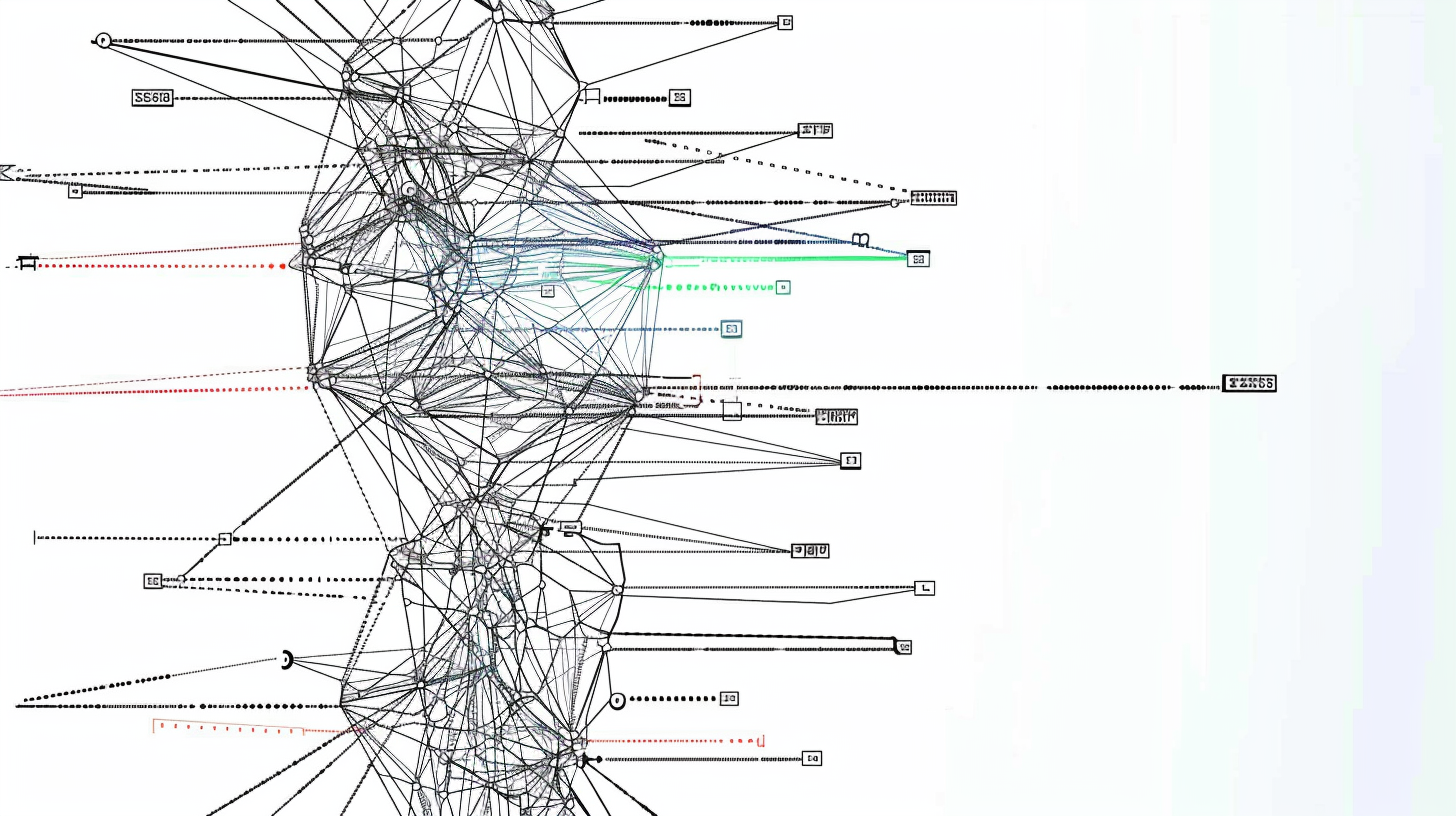
Anthropic is testing a completely new steering option for large language models. The AI startup is offering developers access to its Beta Steering API, which can be used to customize the internal functions of language models. The API is based on recent research on the interpretability of language models. By strengthening individual concepts in models, their output can be strongly influenced.
Interested developers will get access to a subset of Claude's internal features, documentation, sample code, and possibly a Slack channel to communicate with the Anthropic team. In return, testers will be asked to share their projects with Anthropic and provide feedback. The technology is still in the research phase and is not intended for production use. Anthropic emphasizes that the API may be modified or discontinued at any time.