Matthias Bastian
Matthias is the co-founder and publisher of THE DECODER, exploring how AI is fundamentally changing the relationship between humans and computers.

Read full article about: Sam Altman and OpenAI face numerous legal challenges
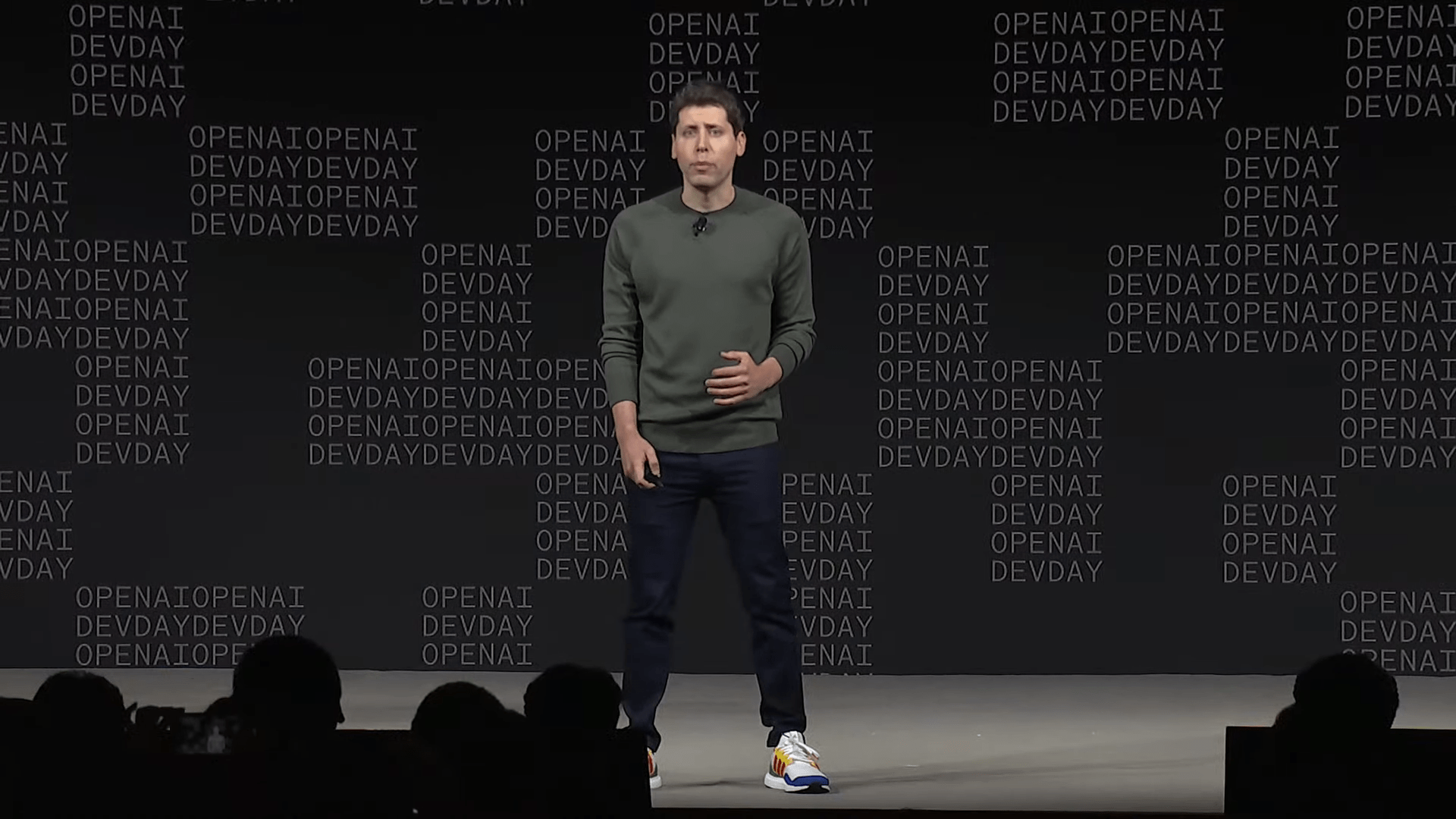
OpenAI's business practices continue to draw criticism that could have legal consequences. The SEC is investigating whether OpenAI CEO Sam Altman misled investors, according to the Wall Street Journal. The investigation follows allegations by former OpenAI board members that Altman was not "consistently candid" in his communications, which led to his brief ouster in November. Federal prosecutors in Manhattan are also investigating the case and are expected to release their report soon. In addition to the New York Times, three more media companies, Raw Story, The Intercept and AlternNet, are suing OpenAI for possible copyright infringement. The US and EU are investigating OpenAI's relationship with Microsoft to determine whether Microsoft's recent investment amounts to a takeover.

Read full article about: Qualcomm releases 80 locally deployable AI models
Qualcomm has launched an AI Hub Models platform that provides pre-optimized, out-of-the-box AI models for image, audio and speech applications on Snapdragon devices and across the Android ecosystem. Models such as Whisper, ControlNet, Stable Diffusion, and Baichuan 7B are optimized for local AI performance, lower memory consumption, and better power efficiency, and are available for multiple form factors and runtimes. They can be deployed on-device using TensorFlow Lite or the Qualcomm AI Engine Direct SDK, and on cloud-hosted devices using Qualcomm AI Hub. For more information and to download models, you can visit the Qualcomm AI Hub. The company is also promoting collaboration and learning through its AI Hub Slack community.
Read full article about: Google boss Pichai calls history-distorting AI images "completely unacceptable"
Google CEO Sundar Pichai has addressed concerns internally about the company's AI app Gemini (formerly Bard), which recently came under heavy criticism for historically distorted AI images. In a company-wide memo, Pichai acknowledged the problems and assured employees that Google is working to fix them. "To be clear, that's completely unacceptable and we got it wrong." He outlined a series of actions, including structural changes, updated product policies, improved launch processes, and technical recommendations. Significant progress has already been made on some prompts, Pichai noted. The AI imaging system is set to be back online in a few weeks.
We’ve always sought to give users helpful, accurate, and unbiased information in our products. That’s why people trust them. This has to be our approach for all our products, including our emerging AI products.
Sundar Pichai