The European Union is planning a major expansion of its AI infrastructure. The European Investment Bank (EIB) and the European Commission want to build up to five AI gigafactories across Europe to boost compute capacity for advanced AI models and reduce the region's dependence on foreign technology.
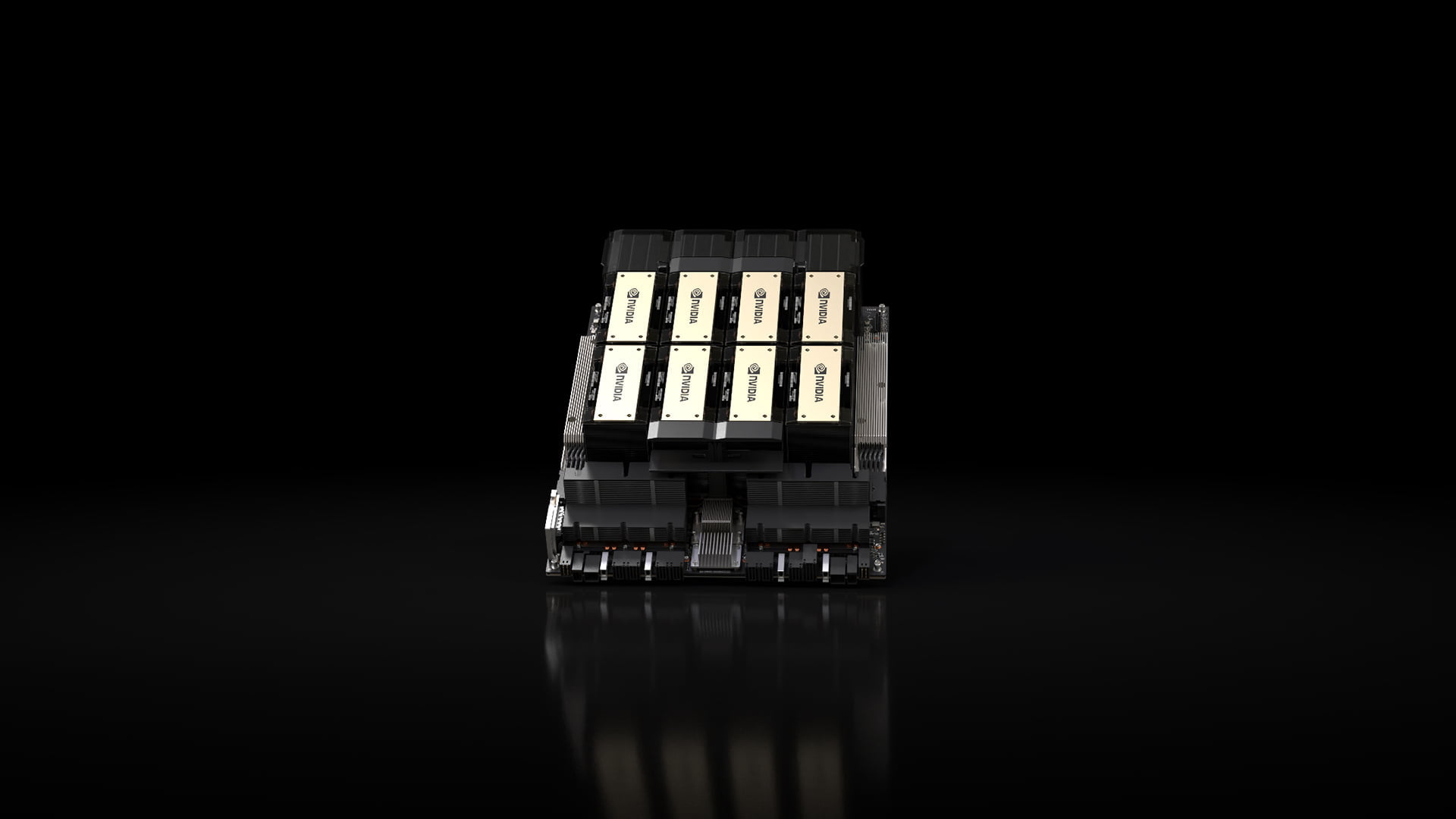
The Commission plans to fund the effort with 20 billion euros through its InvestAI program, and the EIB is considering additional loans. Each site will include about 100,000 high-performance AI chips, described as "the most advanced" available and roughly four times more than existing facilities.
"AI gigafactories will train the most complex, very large AI models, which require extensive computing infrastructure for breakthroughs in domains such as medicine, cleantech and space."
The project falls under the EIB's TechEU program, which aims to mobilize 250 billion euros in investment by 2027.
Nvidia and OpenAI have not yet signed their planned 100 billion dollar deal. Nvidia CFO Colette Kress confirmed this on Tuesday during a conference in Arizona. Even though both companies announced plans in September to provide 10 gigawatts of Nvidia systems for OpenAI, the arrangement is still only a memorandum of understanding. Kress said the two sides are still working toward a final agreement.
The holdup raises new questions about the circular business structures that have become common in the tech industry, where large companies invest in startups that then spend the money on the investor's own products. Any future revenue from the OpenAI deal is not included in Nvidia's current 500 billion dollar forecast. A separate 10 billion dollar investment in competitor Anthropic also remains pending.
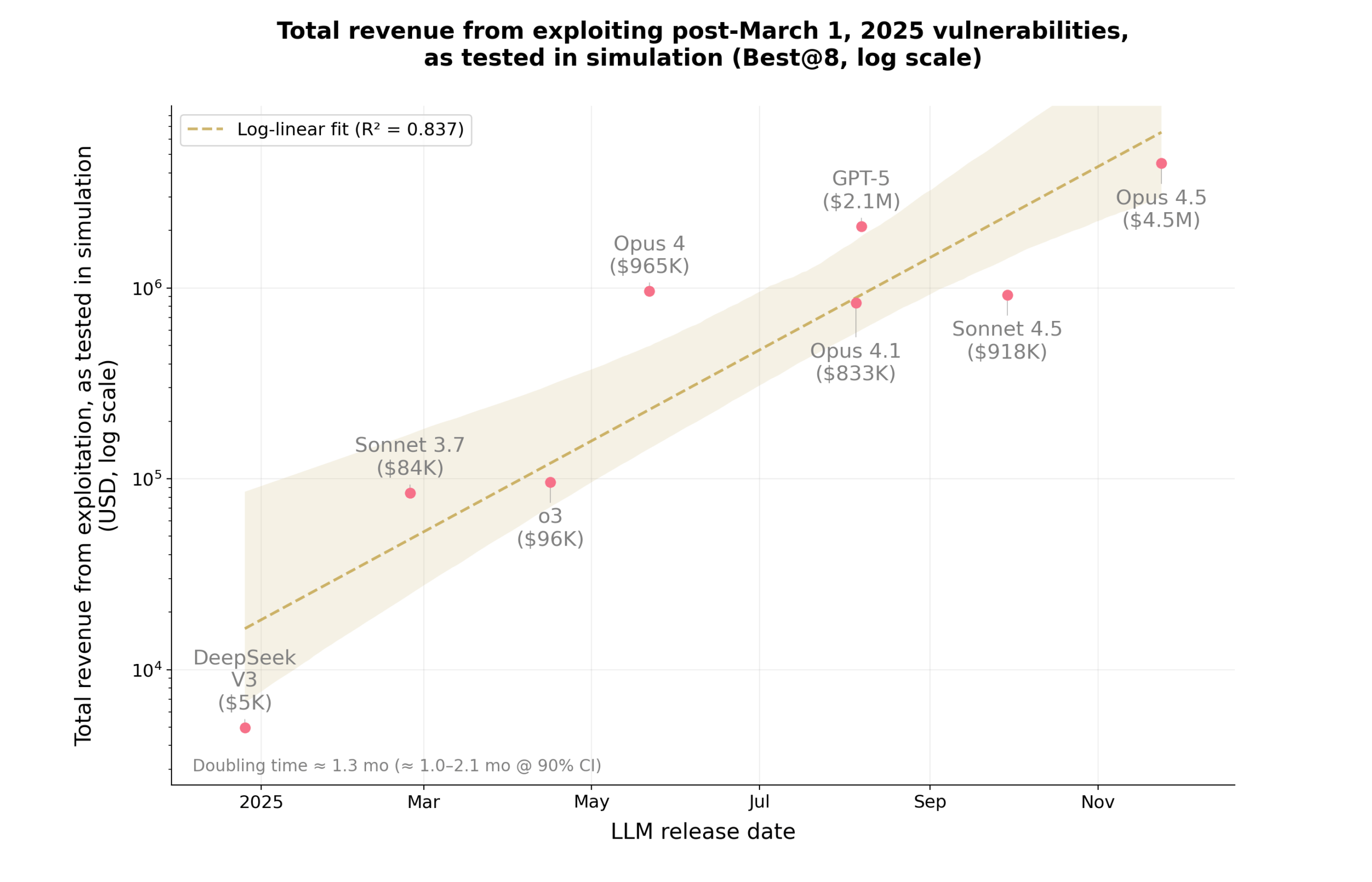
A new study from MATS and Anthropic shows that advanced AI models like Claude Opus 4.5, Sonnet 4.5, and GPT-5 can spot and exploit smart contract vulnerabilities in controlled tests. Using the SCONE-bench benchmark, which includes 405 real smart contract exploits from 2020 to 2025, the models produced simulated damage of up to 4.6 million dollars.
In a separate experiment, AI agents reviewed 2,849 new contracts and uncovered two previously unknown vulnerabilities. GPT-5 generated simulated revenue of 3,694 dollars at an estimated API cost of about 3,476 dollars, averaging a net gain of 109 dollars per exploit. All experiments were run in isolated sandbox environments.
The researchers say the findings point to real security risks but also show how the same models could help build stronger defensive tools. Anthropic recently released a study suggesting that AI systems can play a meaningful role in improving cybersecurity.